
#ISLECISLoft: The Professional Contact Zone: Nurturing Teacher–Student Connections in our increasingly Digitalised World
#ISLECISLoft: The Professional Contact Zone: Nurturing Teacher–Student Connections in our increasingly Digitalised World
16:00 (U.K. Time)
Presenter:Dr Martha Ross
Nurturing interpersonal connections in international school classrooms is important so that we create a balance to the digital skills that our students are learning. The professional contact zone is a way of considering how important this connection is and how to value it.
Due to the distance created by interacting more with devices and screens, the connection between students and educators can weaken. This can result in a lack of attention to spoken instruction, less response to verbal feedback, fewer conversations and spontaneous interaction from our students. In this session, we will look at the importance of building connection into learning environments intentionally in order to help students build interpersonal skills, trust and human connection as life skills.
Our roles as educators become more efficient when learning occurs on digital platforms, assessments adapted by AI, and the rapid access to information. We recognise the importance of digital skills for the future lives of our students. However, our students have less verbal interaction when learning and connection to educators is minimised as a result.
The contact zone, researched by Tran and Nguyen, 2014, looks at teachers’ professional identities and the experience of international teachers connecting with students. We will compare this context to the new reality of classrooms and the skills required to connect with students in a digital age.
In this session, we will consider the intercultural skills that international educators use when building professional interpersonal connections in schools. Based on doctoral research into Intercultural Competencies, this session will consider data from 157 educators in four international schools.
We will explore the valuable ways in which we can connect with the lives and learning contexts of international school students. In this session, we will identify these connection skills and consider their importance in addressing changes in student behaviour, such as; attention difficulties, disconnection and distraction from learning potential.
The importance of interpersonal skills required between teachers and students is never greater than this present time for learning potential to be realised. Using a UDL lens, we will consider how to connect with students and their interests to engage learners.
- We will reimagine skills required to support students when we seek to connect with them.
- We will consider the value of professional interpersonal skills in the contact zone
- We will look at the benefits of deliberately connecting with students in order to motivate them to learn
- We will look at designing learning for human connection and communication
- We will consider the practice of deliberately enhancing human connection as a skill for our students’ future lives.
Takeaways for Participants
- Recognition of the intercultural competencies already present in our daily practice
- Reflection on the reality of our educational contexts, and the learning environments that we create for proactive communication to take place
- A focus on blending intercultural competence with skills to connect with students the international school communities
- Match teaching and communication strategies to student engagement, attention and interaction
- Skills and strategies to hook the attention of our students and design learning accordingly – asking who are we designing or adapting our communication for?
- Identifying our own practice in the professional contact zone with all our students
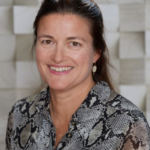
Dr Martha Ross is the Health and Inclusion Coordinator at Cologne International School, in Germany. Her international career as a teacher and school leader took her from the UK to Europe, Asia and back again. Martha views inclusive learning practices from the perspectives of all students accessing the entire school experience. She is able to implement effective structures in schools in order to create safe, diverse and restorative learning contexts. She is passionate about training, encouraging and helping teachers to promote inclusive learning environments.Martha focuses on working intentionally with families to nurture healthy partnerships between home and school. As a Safeguarding Lead, she is particularly attuned to the intersection of Inclusion and Child Protection, recognising their essential roles in student well-being and in cultivating a sense of belonging within international school communities.
Martha’s postgraduate research explored intercultural learning and the skills international educators need to equitably meet the needs of their students. She is committed to empowering teachers, shaping school systems, and designing learning experiences that are student-centred and universally accessible.
An active member of the ECIS Special Interest Group for Inclusion and also a consultant for ECIS supporting schools on Inclusion and Safeguarding, Martha frequently presents at conferences and webinars, advocating for practices that promote equitable learning and safeguard the well-being of all students.
Connect with Martha on LinkedIn